
The Anatomy of Inertia
It is a peculiar modern tragedy. You are brilliant on paper, yet you feel rather like a Windows 95 desktop frozen whilst the cursor spins mockingly in the centre of the screen.
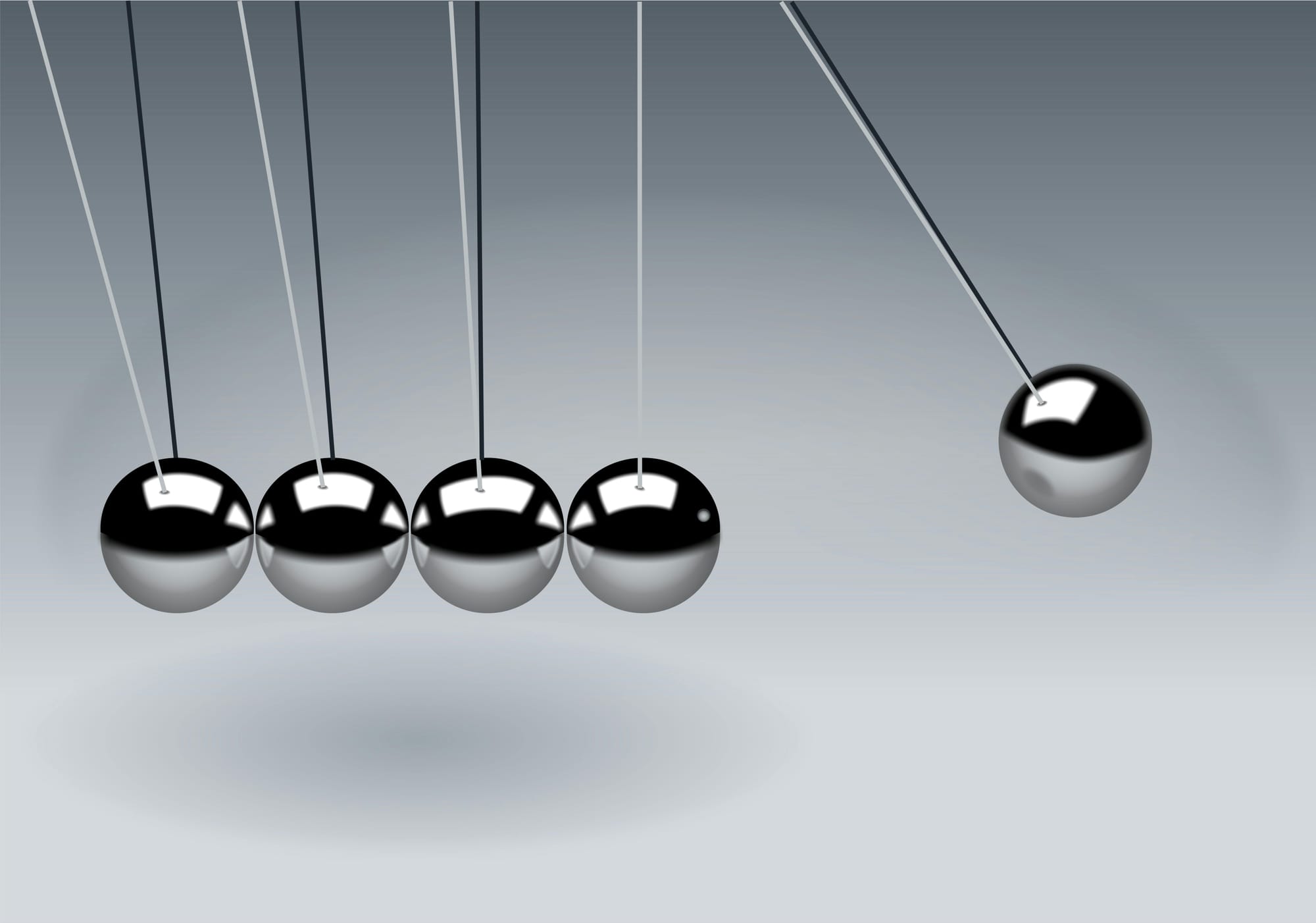
It is a peculiar modern tragedy. You are brilliant on paper, yet you feel rather like a Windows 95 desktop frozen whilst the cursor spins mockingly in the centre of the screen. We often mistake this sensation of being stuck for a lack of ambition. The data, however, suggests it is usually a systemic bottleneck rather than a character flaw.
The Anatomy of Inertia
Let us dissect why highly capable professionals suddenly find themselves wading through cognitive treacle.
- The Multiplier Gap: Many high-performers work under "Diminishers." These are leaders who hoard talent, monopolise the spotlight, and stifle intelligence. Research shows that while a "Multiplier" extracts twice the capability out of a team, a Diminisher drains it. This leaves capable adults feeling as though they have hit a glass ceiling constructed entirely of someone else’s ego.
- Loss Aversion and the Status Quo: Humans are biologically wired to fear losing what they have more than they value gaining something new. For a capable adult, the status quo bias acts as a psychological anchor. The fear of a botched career move entirely outweighs the potential joy of a promotion.
- Decision Fatigue and System Clash: Our brains rely on two systems for thinking: the Automatic, which is instinctual, and the Reflective, which is deliberate and rational. When a person is constantly juggling unresolved decisions, they overload their Reflective system and enter a state of cognitive paralysis. It is not that they cannot move; it is that the mental bandwidth required to choose a direction has been entirely consumed by the smorgasbord of modern options.
The Framing Trap
How you view your stagnation matters immensely. The way information is presented significantly alters our decisions. If you frame a career pivot as a massive risk, your Automatic system will politely decline the opportunity. Positive framing, however, can encourage us to take necessary, calculated risks. We often trust our immediate, fear-based perceptions over the actual facts of our capability, which leads to remarkably poor decision-making.
How to Thaw the System
It is time to force a reboot. The solution is not to simply try harder or stare intensely at your monitor hoping for divine intervention.
- Audit Your Leadership: Assess whether you are reporting to a Diminisher. If your boss operates from a place of scarcity and fixity, you cannot outwork their insecurities. Seek out Multipliers—leaders who foster an environment of safe challenge and amplify your intelligence.
- Nudge Your Behaviour: Do not attempt a massive, terrifying leap into the unknown. Small changes in how choices are presented can drastically enhance your decision quality. Small, deliberate adjustments lead to monumental shifts in behaviour without triggering your loss aversion.
- Accept Your Heuristics: Acknowledge your own cognitive biases. Understand that your brain wants to keep you safe and stationary. Recognise when you are relying on lazy rules of thumb rather than engaging in deliberate, Reflective thought.
Top Takeaway
Feeling stuck is rarely a sign of incompetence. It is usually the result of working under Diminishers, falling prey to biological loss aversion, and overloading your cognitive bandwidth.
CTA: Stop blaming your own operating system. Join our newsletter for weekly strategies on how to Adjust and Elevate your professional trajectory.